
General Liability Insurance in California: Coverage for Small Businesses
In 2026, California is home to approximately 4.3 million small businesses, a thriving ecosystem that makes up nearly all of the state's commercial landscape. If you are among these entrepreneurs, you already know that running a company here takes grit, resilience, and a lot of planning. However, one single accident, a momentary lapse in judgment by an employee, or a simple misstep by a customer can threaten everything you have built.
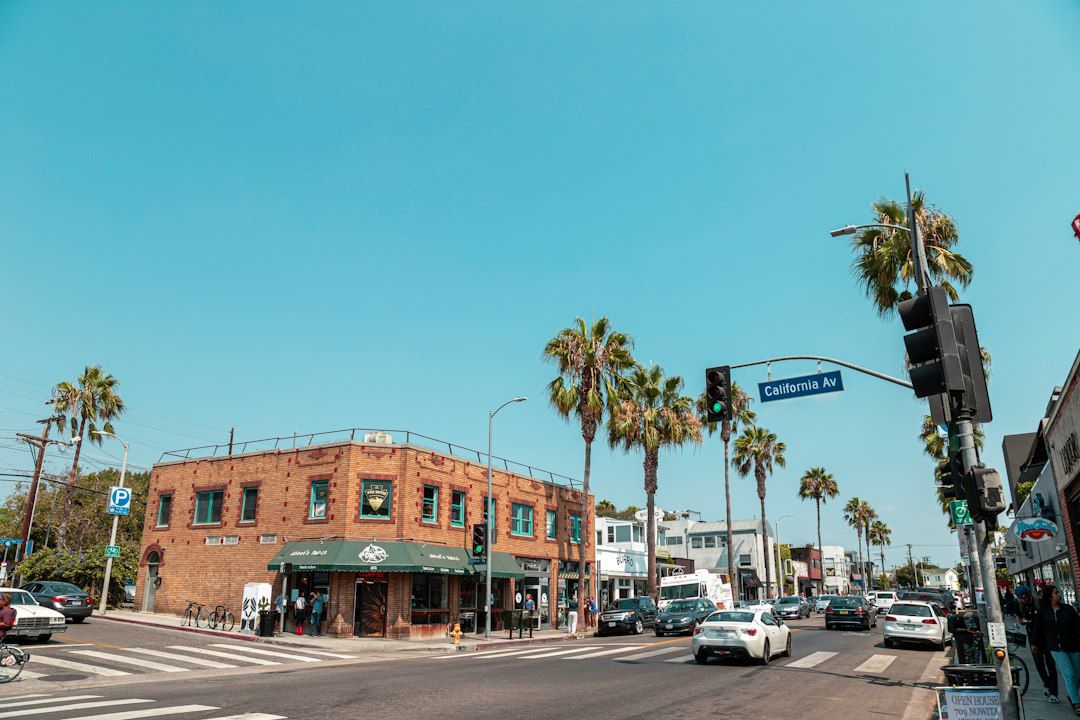
Protecting Your California Business from the Unexpected
In 2026, California is home to approximately 4.3 million small businesses, a thriving ecosystem that makes up nearly all of the state's commercial landscape according to Boost Suite. If you are among these entrepreneurs, you already know that running a company here takes grit, resilience, and a lot of planning. However, one single accident, a momentary lapse in judgment by an employee, or a simple misstep by a customer can threaten everything you have built. If there is one nonnegotiable layer of protection, it is general liability insurance in California.
At our family owned and operated agency in Glendora, we have spent over 20 years helping business owners navigate these exact risks. We see too many hard working professionals assume that forming a Limited Liability Company will shield them from every legal threat. While an LLC helps protect your personal assets, it does not pay for your legal defense or settle claims if your business is sued. That is where a tailored insurance portfolio steps in. A solid foundation begins with general business liability insurance in California, providing the critical backing you need so you can focus on growth rather than worrying about unexpected lawsuits.
Unpacking the Foundation: What Is General Liability Coverage?
When you purchase commercial general liability insurance in California, you are essentially buying a financial safety net designed to catch your business when third party claims arise. Unlike workers' compensation, which covers your own employees, this type of policy specifically protects you against claims made by people outside your company.
It generally covers three main categories of risk:
- Bodily Injury: If a customer or vendor is injured on your premises, your policy helps cover their medical expenses. For instance, if someone slips on a wet floor in your retail shop or trips over a cord in your office, they could sue your business for medical bills, lost wages, and pain and suffering.
- Property Damage: If you or your employees accidentally damage a client's property while conducting business, this coverage steps in. This is especially critical for artisans and builders, which is why insurance for contractors relies so heavily on strong liability limits.
- Personal and Advertising Injury: This covers non physical damages. If your marketing campaign inadvertently infringes on a competitor's copyright, or if an employee makes a statement that is considered slanderous or libelous, your policy helps defend you against those allegations. Beyond paying settlements or judgments, perhaps the most valuable component of this coverage is the legal defense it provides. Hiring an attorney to defend against even a frivolous lawsuit can drain a small business's cash reserves. A standard policy covers these defense costs, meaning your insurer pays for the lawyers to fight the claim in court.
When assessing your overall risk portfolio, business liability insurance in California functions as your primary line of defense. It sits at the core of any comprehensive business insurance strategy, ready to respond when the unpredictable happens.
Real World Scenarios: How a Policy Responds to Claims
Understanding insurance conceptually is one thing, but seeing how it works in practice highlights its true value. Many business owners wrongly assume that an LLC structure replaces the need for general liability business insurance in California. Let us look at a few common scenarios where this coverage proves its worth.
The Retail Slip and Fall Imagine you own a boutique in Los Angeles. A sudden rainstorm leaves your entryway slick, and a customer falls, fracturing their wrist. According to recent legal data, the average settlement for a slip and fall injury in California typically lands between $10,000 and $50,000, with severe injuries reaching much higher according to LawLinq. Without coverage, your business would be responsible for those medical bills and any resulting legal fees. With the right policy in place, your insurer handles the claim, allowing your doors to stay open.
The Contractor Accident Suppose you run a residential painting company. While moving a heavy ladder in a client's home, an employee accidentally shatters an expensive, custom stained glass window. The homeowner demands full replacement, which could cost thousands of dollars. Your property damage coverage steps in to pay for the replacement, preserving both your bank account and your professional reputation.
The Social Media Misstep Consider a local marketing firm that launches an aggressive social media campaign. In the process, they use an image that closely mirrors a larger competitor's trademarked logo, leading to a cease and desist letter and a lawsuit for advertising injury. The legal fees required to respond to this suit could easily bankrupt a small firm. Fortunately, the advertising injury component of their liability policy covers the attorney fees and any eventual settlement.
These scenarios illustrate why liability insurance for a business in California is not just a regulatory hurdle, but a fundamental business survival tool. It ensures that an honest mistake does not become a permanent financial disaster.
Who Actually Needs It and What Does It Cost?
We often hear clients ask if they are too small or too careful to need coverage. The reality is that any business interacting with the public, visiting client sites, or running marketing campaigns carries risk. Securing commercial liability insurance in California is also often a prerequisite for signing a commercial lease. Most landlords will not hand over the keys until you provide a certificate of insurance proving you have adequate liability limits. Similarly, sophisticated clients and vendors frequently require proof of coverage before they will sign a contract.
The good news is that the cost is usually much lower than entrepreneurs fear. Based on 2026 industry data, the average cost of general liability insurance for a California small business typically runs between $42 and $141 per month, depending heavily on the amount of public interaction your operations involve according to Insuranceopedia.
Several factors will influence your specific premium:
- Industry Risk: A busy cafe with heavy foot traffic faces a higher likelihood of slip and fall claims than a freelance consultant working out of a home office.
- Business Location: Operating in densely populated areas or regions with higher historical claims data can impact your rates.
- Coverage Limits: Most small businesses opt for a policy offering $1 million per occurrence and a $2 million aggregate limit. Choosing higher limits will increase the premium but provides a stronger safety net.
- Claims History: A clean track record demonstrates to insurers that you run a safe, well managed operation, which helps keep your premiums low. At our agency, we focus on customizing coverage for the individual rather than trying to fit them into a product. We know that a cookie cutter approach leaves gaps. We take the time to look at your specific operations, tailoring your general liability insurance so you only pay for the protection you genuinely need.
Common Missteps: The Risk of Being Underinsured
A common trap for new business owners is buying the absolute bare minimum coverage just to satisfy a landlord or a client. While this might save a few dollars upfront, it leaves the business exposed to catastrophic losses.
Another frequent mistake is confusing a standalone liability policy with a Business Owners Policy (BOP). A BOP bundles general liability with commercial property insurance at a discounted rate. If you own your building, have significant inventory, or rely on expensive equipment, upgrading to a BOP is often the smarter financial move. For more details on choosing between these options, we highly recommend reading our guide on when a BOP is enough and what to add.
Furthermore, some business owners fail to update their coverage as their company grows. If you started out working solo from your garage but have since leased retail space and hired five employees, your original policy is likely woefully inadequate. We pride ourselves on building trust with our clients by offering support without having to jump through hoops. We recommend an annual review of your insurance portfolio to ensure your coverage scales seamlessly with your success.
Securing Your Future with Confidence
Operating a business in California comes with immense opportunities and a unique set of challenges. Between stringent regulations and a litigious environment, protecting your hard work is paramount. A comprehensive liability policy is more than just a piece of paper. It is your shield against the unpredictable. By covering bodily injuries, property damage, and advertising missteps, it allows you to operate with confidence.
Taking the time to understand your risks and securing the appropriate limits ensures that a single accident will not unravel years of dedication. You do not have to navigate this complex landscape alone. Partnering with a dedicated local agency gives you access to industry expertise and a team that genuinely cares about your success.
Saed Albasha Agency
If you want coverage that actually fits your home, car, business, or life, not a one size fits all policy, reach out to Saed Albasha Agency today for a personalized review. Call or message our Glendora, CA team now and let us make your insurance portfolio simpler, clearer, and easier to manage anywhere in California. We shield homeowners and entrepreneurs from the unexpected, so you can keep focusing on what you do best.
By Saed Albasha & Team · Published 5/22/2026