
Renters Insurance in Long Beach, CA: How to Find Affordable Coverage
Living in a coastal city comes with undeniable perks, but renting a home or apartment here also means taking responsibility for protecting your lifestyle against the unexpected. Whether you’re in a downtown high-rise, a historic craftsman in Bluff Park, or a cozy bungalow near Belmont Shore, one vital question usually comes up when you sign the lease: how do you protect your personal belongings and your finances without overpaying?
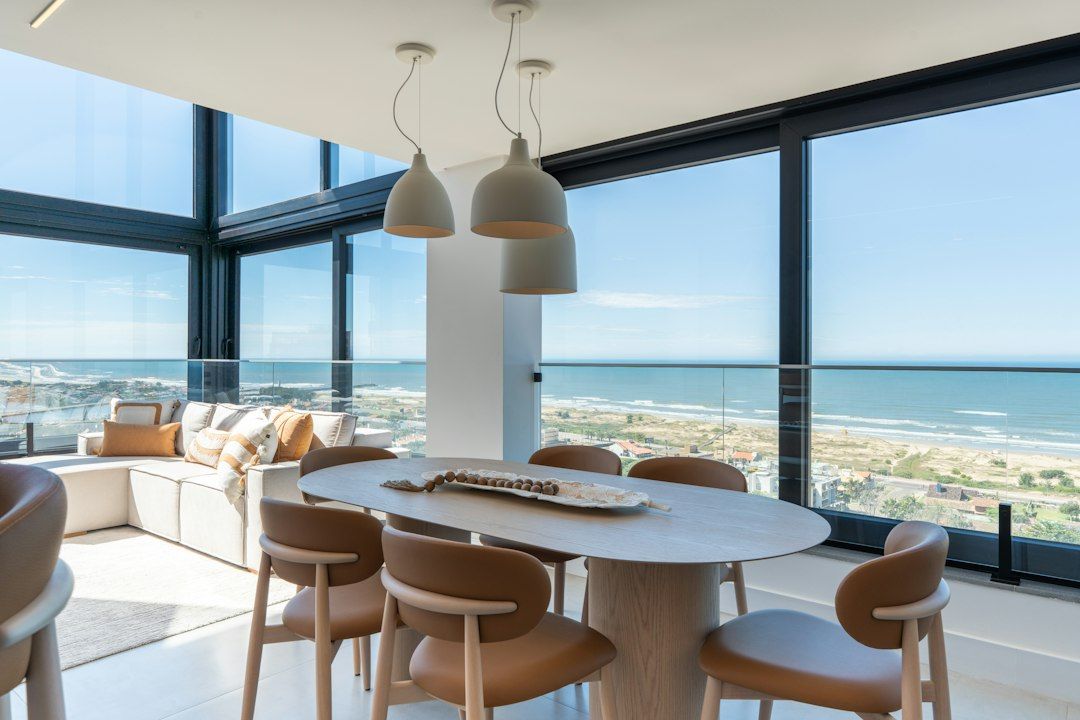
Securing Your Coastal Lifestyle: A Guide to Tenant Protection
Living in a coastal city comes with undeniable perks, but renting a home or apartment here also means taking responsibility for protecting your lifestyle against the unexpected. Whether you are settling into a modern high-rise downtown, a historic craftsman in Bluff Park, or a cozy bungalow near Belmont Shore, one vital question usually comes up when you finally sign the lease. How do you protect your personal belongings and your finances without overpaying? We find that many tenants simply want to know how to find cheap renters insurance in Long Beach that still delivers robust, reliable protection.
As local insurance professionals with over two decades in the industry, we see firsthand what happens when renters assume they do not need coverage. A burst pipe in the unit above yours or a sudden property theft can wipe out thousands of dollars in personal property in a matter of minutes. Fortunately, finding a policy that fits your monthly budget is much easier than you might think. This guide will walk you through exactly what tenant policies cover, the specific local risks you should consider, and practical strategies for securing affordable protection that actually works when you need it most.
The State of the Market: Understanding Renters Insurance Costs
In California, tenant policies remain famously affordable, especially when compared to other types of property protection. Recent market data from 2026 indicates that the average cost of renters coverage in the state generally hovers around $168 to $204 annually. For residents living on the coast, premiums typically range from $15 to $31 per month, depending on your exact neighborhood, your chosen coverage limits, and your deductible.
Why is this coverage relatively inexpensive? Unlike a standard homeowners policy that must cover the expensive physical structure of a building, your landlord carries the burden of insuring the physical property itself. Your policy only needs to cover your personal belongings, your temporary living expenses in an emergency, and your personal liability.
However, the California insurance market has experienced significant shifts recently. With inflation and the rising cost of building materials impacting insurers statewide, some carriers have requested rate increases over the last year. Finding the most competitive rates requires looking beyond a single initial quote. Fortunately, California law includes robust consumer protections like Proposition 103, which prohibits insurance companies from using your credit score to determine your rates. This means your premium is based entirely on the physical risk of the location, the local safety features, and your personal claims history, keeping prices fairer for everyone.
Deconstructing the Coverage Details
To understand how to get the best value, you must first understand what you are actually buying. A standard policy, known in the industry as an HO-4 policy, is built on three main pillars of protection. Knowing how these work is the key to customizing a plan that fits your exact needs.
Personal Property Protection
Think of everything you own inside your apartment. If you could pick your rental unit up and turn it upside down, everything that falls out is considered your personal property. This includes your clothing, furniture, electronics, sporting goods, and kitchenware. If a fire breaks out in your building, or if a burglar breaks into your unit, this coverage pays to repair or replace your lost items.
One critical detail you need to discuss with your agent is how insurers value your belongings. You can generally choose between actual cash value and replacement cost coverage. Actual cash value factors in depreciation, meaning a five-year-old laptop might only net you a fraction of its original price in a claim. Replacement cost coverage, on the other hand, pays the amount needed to buy a brand new equivalent today. We highly recommend replacement cost coverage because it prevents you from paying heavily out of pocket to replace everyday necessities. For high-value modern devices, you might also want to review our guide on Phone Insurance and Device Protection: How Coverage Works to see how tenant policies interact with specific tech warranties and specialized electronics coverage.
Personal Liability Coverage
This is perhaps the most overlooked benefit of tenant protection, yet it is arguably the most important. If a guest is injured inside your rental unit, you could be held legally responsible for their medical bills, lost wages, and rehabilitation costs. Liability coverage steps in to handle these expenses, as well as your legal defense fees if you are sued.
This protection extends far beyond simple slip-and-fall accidents. For example, if you accidentally leave a bathtub running and it overflows, severely damaging the apartment below you, your liability coverage can help pay for the structural repairs to your neighbor's unit. It even covers certain incidents outside your home. If your dog gets loose at a local park and bites a bystander, your policy may cover the liability claims. Dog owners should be highly aware of this risk. While renters coverage handles the liability side of dog ownership, protecting the animal itself requires a different approach, which we cover extensively in our overview of Pet Insurance in Los Angeles, CA: How to Compare Local Options.
Loss of Use (Additional Living Expenses)
If a covered disaster makes your apartment uninhabitable, your landlord is not legally obligated to pay for your hotel stay while the building is repaired. Loss of Use coverage, also known as Additional Living Expenses, reimburses you for the extra costs of living away from home. In a real estate market where a temporary hotel room or a short-term rental can easily cost thousands of dollars a month, this provision is an absolute lifesaver. It can even cover the extra money you have to spend on restaurant meals if your temporary housing lacks a kitchen.
Local Risks Every Tenant Should Consider
When evaluating cheap renters insurance in Long Beach, it is crucial to ensure the policy actually covers the risks you are most likely to face in this specific city. A cheap policy is only valuable if it responds when a real-world problem occurs.
Elevated Property Crime Rates
Urban coastal cities often manage unique public safety challenges. Recent 2026 data shows that property crime in Long Beach is statistically higher than the national average, with larceny and vehicle break-ins being particularly common. A major benefit of a tenant policy is that it often protects your personal belongings even when they are not inside your apartment. If your laptop is stolen out of your car while parked downtown, or if someone walks off with your expensive road bike from a local rack, your personal property coverage can usually help cover the loss up to a certain percentage of your total limit.
Seismic Activity and Water Backup
It is a remarkably common mistake to assume that a standard policy covers every type of natural disaster. In California, standard policies specifically exclude earthquake damage. If a major tremor destroys your expensive television or damages your fragile antiques, a standard policy will not pay out. You need a separate earthquake endorsement or a standalone policy to cover those losses.
Similarly, basic policies often exclude water damage caused by sewer backups unless you add a specific endorsement. If you live on the ground floor of a large apartment complex, a plumbing failure in the main line can cause serious damage to your belongings. Adding a water backup endorsement typically costs only a few extra dollars a year but provides immense peace of mind.
Strategies to Secure the Best Rates
Achieving true value means finding a policy that provides excellent protection without straining your finances. Here are several proven ways to lower your premium while keeping your safety net intact.
Bundle With Your Auto Policy
The absolute simplest way to reduce your costs is to bundle your tenant coverage with your vehicle coverage. Insurers almost always offer a multi-policy discount that can significantly offset the cost of the renter policy itself. Sometimes, the discount applied to your auto insurance is so large that it effectively pays for the tenant policy. If you are already shopping for vehicle protection, you can explore our resources on Car Insurance in Los Angeles, CA: How to Find the Right Coverage to learn more about navigating the local transit landscape.
Optimize Your Deductible
Your deductible is the amount of money you agree to pay out of pocket before your insurance coverage kicks in. Choosing a low deductible, such as $250, will result in a higher monthly premium because the insurer takes on more financial risk. Raising that deductible to $500 or $1,000 will noticeably lower your monthly bill. Just ensure you always have enough cash set aside in an emergency fund to cover that deductible if a disaster strikes.
Document Your Belongings Properly
Many renters overpay because they blindly overestimate the value of their belongings, or they severely underinsure themselves because they forget how much it would actually cost to replace their entire wardrobe and furniture setup. Take an afternoon to walk through your apartment and record a video on your smartphone. Open every closet, open every drawer, and store the video in a secure cloud account. This inventory will help you and your agent select the exact amount of coverage you need, ensuring you only pay for what you actually own.
Highlight Your Safety Features
Insurance companies reward risk reduction. If your rental unit features deadbolt locks, a monitored security system, fire sprinklers, or gated community access, make sure your agent knows. These physical safety features lower the likelihood of theft or severe fire damage, which often translates directly into a discount on your premium.
Common Pitfalls to Avoid
Even with the best intentions, tenants frequently make mistakes when purchasing their first policy. Avoiding these common traps will save you immense frustration down the road.
- Relying on the Landlord: We hear this myth constantly. Renters often believe that their landlord is responsible for replacing their items if the building catches fire. In reality, the landlord only insures the building structure. Their policy will rebuild the walls and the roof, but it will absolutely not replace your mattress, your television, or your clothing.
- Sharing a Policy With Roommates: If you live with roommates, you might be tempted to split the cost of a single policy. While some carriers allow this, it is rarely a good idea. If your roommate moves out, or if you part ways on bad terms, untangling the policy and deciding who gets the payout in the event of a claim becomes incredibly complicated. Each tenant should maintain an individual policy to protect their own specific belongings and personal liability.
- Skipping the Agent Review: In an era of automated quoting tools, it is tempting to simply buy the fastest policy online. However, an algorithm cannot ask you clarifying questions about your specific lifestyle. A local agent can identify gaps in your coverage, recommend specific sub-limits for high-value items like jewelry or musical instruments, and ensure you are taking advantage of every possible discount. By working with a professional, you get a customized fit rather than a generic template. For more information on how we manage comprehensive portfolios for our clients, visit our Personal Insurance page.
Conclusion
Securing reliable protection for your rented home does not have to be a complicated, opaque, or expensive chore. By understanding the core components of property and liability coverage, acknowledging the specific risks in your community, and applying smart shopping strategies, you can easily find affordable rates that offer genuine peace of mind. For most residents, a few dollars a month is the only thing standing between a minor inconvenience and a devastating financial loss. Take the time to evaluate your living situation, inventory your belongings, and put a solid safety net in place.
Saed Albasha Agency
If you want coverage that actually fits your home, car, business, or life (not a one-size-fits-all policy) reach out to Saed Albasha Agency today for a personalized review. Finding cheap renters insurance in Long Beach should not mean sacrificing the quality of your protection or struggling to reach someone when you have a question. Call or message our Glendora, CA team now, and let us make your insurance portfolio simpler, clearer, and easier to manage anywhere in California.
For immediate assistance and a thorough review of your options, contact our team directly, or visit our Home page to request a customized quote tailored to your exact living situation.
By Saed Albasha & Team · Published 8/21/2026