
RV and Trailer Insurance in California: Coverage for Motorhomes, Campers, and Trailers
California offers some of the most breathtaking road trip routes in the world, from the winding coastal cliffs of the Pacific Coast Highway to the sprawling desert landscapes of Joshua Tree. For many families and retirees, exploring these sights in a recreational vehicle is the ultimate dream. However, navigating a vehicle that weighs several tons comes with distinct risks.
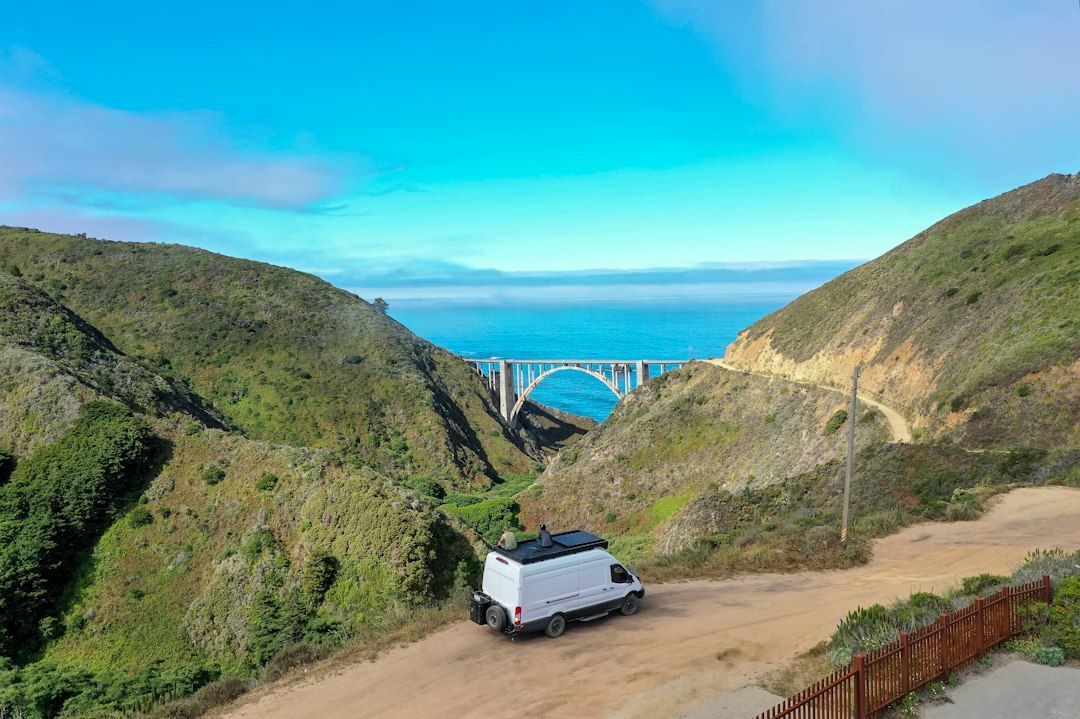
The Freedom of the Open Road Needs the Right Protection
California offers some of the most breathtaking road trip routes in the world, from the winding coastal cliffs of the Pacific Coast Highway to the sprawling desert landscapes of Joshua Tree. For many families and retirees, exploring these sights in a recreational vehicle is the ultimate dream. However, navigating a vehicle that weighs several tons comes with distinct risks. Because of their size, high center of gravity, and extended stopping distances, RVs present unique safety challenges. In fact, federal data has historically shown that tens of thousands of injuries occur annually in accidents involving recreational vehicles across the United States.
As a family owned and operated insurance agency with over two decades of industry experience, we have seen firsthand what happens when an RV owner hits the road underinsured. Buying a camper or motorhome is an investment in your lifestyle and your freedom. Protecting that investment requires more than a generic auto policy.
In this guide, we will break down exactly what you need to know about covering your home on wheels. Whether you are driving a luxury Class A motorhome or towing a pop-up camper for weekend getaways, understanding the nuances of these policies is the first step toward true peace of mind.
Understanding California RV Insurance Requirements
Before you pack your bags and reserve a campsite, it is critical to understand your legal obligations. California law treats motorized RVs exactly like standard passenger vehicles when it comes to minimum liability.
If your recreational vehicle has its own engine and can be driven under its own power (which includes Class A, Class B, and Class C motorhomes), you are legally required to carry a standalone policy. The bare minimum California RV insurance requirements are identical to the state's standard auto liability minimums:
- $15,000 for bodily injury per person
- $30,000 for bodily injury per accident
- $5,000 for property damage per accident While meeting the legal minimum keeps you from getting a ticket, it is almost never enough to actually protect your financial well-being. Consider the $5,000 property damage limit. If you lose control of a heavy motorhome and cause a multi-car collision, or even if you simply back into another modern vehicle in a crowded parking lot, $5,000 will barely cover a fraction of the repair costs. The rest comes directly out of your pocket.
If you tow a travel trailer, fifth wheel, or toy hauler, the legal requirements look a bit different. In California, the liability coverage from your towing vehicle generally extends to your trailer while it is attached and moving down the road. Because of this, the state does not legally mandate a separate liability policy for a non-motorized trailer. However, relying strictly on the liability extension from your standard auto insurance is one of the most common and costly mistakes a trailer owner can make.
Motorhomes vs. Travel Trailers: How the Coverage Differs
We believe that insurance should be customized for the individual, rather than forcing a client into a rigid product. The first step in customizing your coverage is properly identifying the type of rig you own, as the insurance industry treats motorized and non-motorized units very differently.
Motorhome Insurance
If you drive it, it needs motorhome insurance in California. This includes large bus-like Class A rigs, camper vans (Class B), and the popular cab-over styles (Class C). A dedicated motorhome policy covers both the liability of driving the vehicle and the physical damage to the vehicle itself. Because motorhomes contain plumbing, electrical systems, living quarters, and a driver's cabin all in one unit, the policies are uniquely designed to bridge the gap between auto insurance and homeowners insurance.
Trailer and Camper Insurance
If you tow it behind a truck or SUV, you need trailer insurance in California. This category includes fifth wheels, conventional travel trailers, teardrop campers, and pop-ups. While your truck's auto policy might cover the damage you cause to someone else if your trailer swings into their lane, it will not pay a single dime to repair or replace your trailer if it is destroyed in that same crash. To protect the physical asset itself, you need a specialized travel trailer insurance in California policy that includes comprehensive and collision coverage.
Key Coverage Options to Protect Your Investment
When you work with an agent to build out your personal insurance portfolio, you will quickly notice that RV policies offer coverages you will never find on a standard auto policy. Here are the most important components to consider.
Comprehensive and Collision
Collision coverage pays to repair your rig if you hit another vehicle, a tree, or a guardrail, regardless of who is at fault. Comprehensive coverage is arguably even more vital in our state. It covers damage from non-collision events such as theft, vandalism, falling objects, and severe weather. With the rising frequency of wildfires and extreme storms across the West Coast, having robust comprehensive coverage ensures that your investment is protected even when it is parked safely in your driveway.
Vacation Liability (Campsite Liability)
When you park your rig at a campground and set up your awning, chairs, and fire pit, your RV effectively becomes a temporary residence. If a neighboring camper trips over your extension cord or slips on your portable steps and breaks their wrist, you could be held liable for their medical bills. Vacation liability coverage steps in to handle these premises-related injuries, offering protection that standard auto liability simply does not provide.
Personal Effects Replacement
Think about everything you pack into your camper: laptops, specialized outdoor gear, expensive cooking equipment, clothing, and maybe even jewelry. Standard vehicle policies generally exclude personal belongings. Adding a personal effects endorsement ensures that if your camper is burglarized while you are out on a hike, your belongings are replaced without you having to file a complex claim against your primary home insurance.
Total Loss Replacement
RVs depreciate rapidly, much like cars. If you buy a brand new travel trailer and it is totaled in a fire two years later, an actual cash value policy will only pay out what the used trailer was worth at the time of the fire. This often leaves owners underwater on their financing loans. Total loss replacement coverage is a feature available for newer models that guarantees the insurance company will buy you a brand new, comparable rig, shielding you from the harsh financial impact of depreciation.
Full-Timer Coverage
If you live in your RV for more than six months out of the year, a standard recreational policy will not cover you adequately. You need full-timer coverage. This acts very much like a traditional homeowners policy, offering significantly higher limits for personal liability, medical payments to others, and personal property. It is designed for those who do not have a primary stationary residence to fall back on.
Professional Insights: Finding the Best Policy for Your Needs
In our experience, people often search for the best RV insurance in California hoping to find a single company with the lowest price. But the reality is that the "best" policy depends entirely on how you use your vehicle, where you store it, and your personal risk tolerance.
We take pride in building trust with our clients by offering support without making them jump through hoops. Over the years, we have noticed a few recurring themes that catch RV owners off guard:
- Storage Location Matters: Where you park your RV when you are not using it heavily influences your rates and your risks. Whether you are storing it securely in our local area of Glendora, paying for a covered facility, or looking for trailer insurance in Riverside, CA, underwriters will look at the zip code and the security of the storage location. A rig parked on the street is at a much higher risk for hit-and-run accidents and catalytic converter theft than one kept behind a locked gate.
- Roadside Assistance is Non-Negotiable: A flat tire on a commuter sedan is a minor inconvenience. A blowout on a 15,000-pound fifth wheel on the side of a busy interstate is a major emergency. Standard auto club memberships often do not have the equipment capable of towing a heavy RV. Ensure your policy includes heavy-duty specialized roadside assistance that covers towing, battery jump-starts, fluid delivery, and lockout services specifically rated for your vehicle's weight class.
- Pest Damage Exclusions: Many new owners are shocked to learn that most standard policies exclude damage caused by rodents, insects, or birds. If mice chew through your rig's electrical wiring while it sits in storage over the winter, you might be left footing the bill. If your rig is stored near open fields or wooded areas, ask your agent if a pest damage endorsement is available. For more insights on how to balance state minimums with actual financial protection, you can review our broader guide on Car Insurance in California: Coverage Options, Rates, and How to Compare Companies. The core principles of liability and asset protection apply just as strongly to your recreational vehicles.
Added-Value: A Quick Pre-Trip Insurance Checklist
Before you head out on your next long weekend or cross-country expedition, we highly recommend running through this quick checklist to ensure there are no surprises in the event of an incident:
- Review your liability limits: Are they still sitting at the state minimums, or have you increased them to match your current net worth?
- Check your towing coverage: If you tow a vehicle behind your motorhome (often called a "toad" or dinghy), verify that your policy explicitly covers the towing setup and the vehicle being towed.
- Update your personal effects inventory: Take a quick video walkthrough of your RV's interior on your smartphone before a big trip. Documenting your electronics, appliances, and gear makes filing a personal property claim significantly easier.
- Verify coverage borders: Most California policies cover travel throughout the United States and Canada. However, if you plan to drive south into Mexico, your standard US policy will not provide liability coverage. You will need to purchase a specific short-term Mexican tourist auto policy.
- Consolidate for discounts: You can often secure substantial discounts by bundling your RV policy with your primary home or auto coverage. Ask your agent to review your entire portfolio to find efficiency gaps.
Securing Your Home on Wheels
Insurance made simple. Protection made certain. That is the standard every RV owner should demand when safeguarding their travel plans. A recreational vehicle is a vessel for making memories, exploring nature, and escaping the daily grind. But without the proper safety net in place, a single blown tire, a sudden hailstorm, or a crowded campground mishap can turn a dream vacation into a financial nightmare.
By understanding the specific regulations in our state, acknowledging the critical differences between motorized and non-motorized coverage, and opting for essential protections like vacation liability and comprehensive physical damage, you can hit the road with absolute confidence. The open road is unpredictable by nature, but your financial security does not have to be. As long as you have the right specialty insurance backing you up, you can focus entirely on the journey ahead.
Saed Albasha Agency
If you want coverage that actually fits your home, car, business, or life—not a one-size-fits-all policy—reach out to Saed Albasha Agency today for a personalized review. We shield homeowners and entrepreneurs from the unexpected, and we pride ourselves on making the process as seamless and supportive as possible. Whether you are insuring a brand-new luxury motorhome or a vintage travel trailer, our team has the industry expertise to ensure your specific lifestyle is thoroughly protected. Call or message our Glendora, CA team now and let us make your insurance portfolio simpler, clearer, and easier to manage anywhere in California. Request a quote with us today to secure the peace of mind you deserve for your next great adventure.
By Saed Albasha & Team · Published 6/2/2026