
Boat Insurance in California: What It Covers, What It Costs, and When You Need It
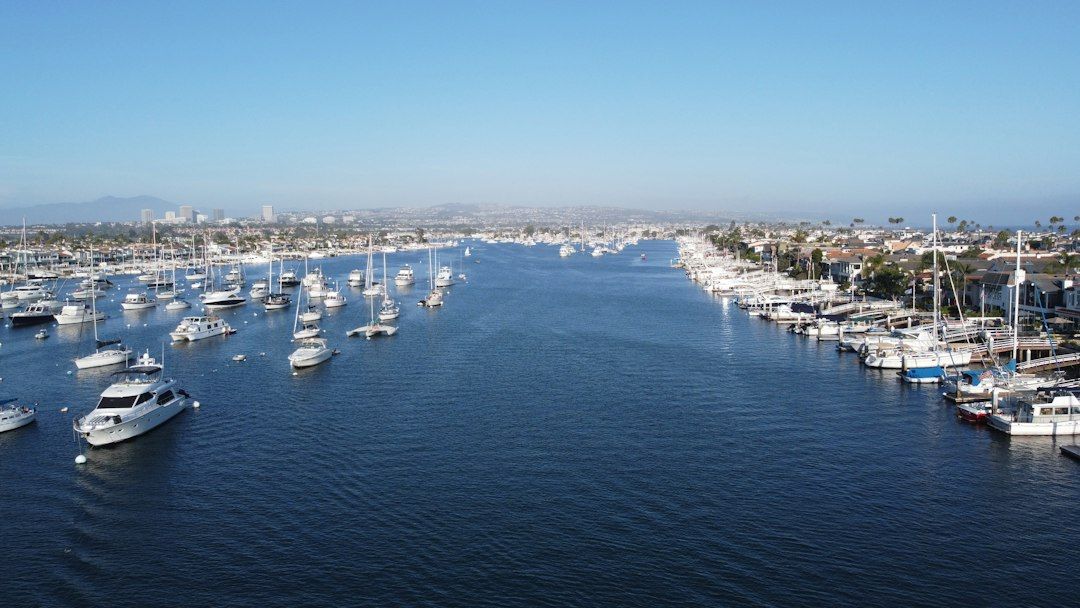
California offers some of the most diverse and stunning waterways in the world. From the expansive Pacific coastline to the high-altitude beauty of Lake Tahoe and the winding Sacramento-San Joaquin River Delta, the opportunities for recreation are limitless, drawing hundreds of thousands of residents to the water each year.
Understanding the Waters of California Boat Coverage
California offers some of the most diverse and stunning waterways in the world. From the expansive coastline of the Pacific Ocean to the high-altitude beauty of Lake Tahoe and the winding channels of the Sacramento-San Joaquin River Delta, the opportunities for recreation are limitless. It is no surprise that hundreds of thousands of residents spend their weekends on the water. However, the unpredictability of nature, combined with crowded marinas and the actions of other boaters, makes navigating these waters inherently risky.
At Saed Albasha Agency, we have spent over 20 years helping California families protect what matters most to them. While many people understand the importance of insuring their homes and vehicles, watercraft are often misunderstood. People frequently underestimate the financial exposure of operating a vessel. We believe that securing the right boat insurance in California should not be complicated. In this guide, we will break down exactly how watercraft coverage works, what you can expect to pay, and why having a tailored policy is the only way to ensure your time on the water remains truly worry-free.
The Current State of Boating in California
Boating is a major part of the California lifestyle. Recent statistics compiled by the U.S. Coast Guard indicate that California is home to roughly 600,000 registered recreational vessels. With that high volume of traffic comes a significant amount of risk. Every year, the state sees hundreds of boating accidents, many of which result in severe property damage, environmental cleanup costs, and tragic injuries.
To combat these risks, the state has recently tightened its safety regulations. As of January 1, 2025, California law mandates that all motorized vessel operators must carry a California Boater Card, according to the state's Division of Boating and Waterways. This new requirement underscores a growing recognition that operating a boat requires specific knowledge and responsibility.
Interestingly, unlike auto coverage, California law does not legally require you to carry boat insurance simply to register or operate your vessel on public waters. However, going without coverage is a massive financial gamble. Even though the state might not ask for proof of insurance at the launch ramp, almost every other entity will. If you finance your boat, your lender will absolutely require a comprehensive policy to protect their collateral. If you plan to keep your vessel at a public or private marina, the marina management will demand proof of liability coverage before they let you tie up to their docks.
More importantly, the financial realities of an accident make watercraft insurance in California an absolute necessity. A minor collision at a fuel dock can cause thousands of dollars in fiberglass damage. A major accident involving injuries to your passengers or another boater can lead to medical bills and lawsuits that threaten your personal assets. When you view your boat as a significant investment and a potential liability risk, securing proper coverage becomes just as critical as having life jackets on board.
Key Aspects of a Watercraft Policy
A common misconception is that a boat policy is simply an auto policy designed for the water. While there are similarities, marine insurance is highly specialized. A well-designed policy accounts for the unique risks of the maritime environment, such as sinking, salvage operations, and fuel spills. Here is a detailed breakdown of the standard coverages you should look for when building your policy.
Liability Coverage
If you are at fault in a boating accident, watercraft liability coverage pays for the bodily injuries and property damage you cause to others. This includes damage to other boats, docks, and structures, as well as medical bills, lost wages, and legal defense costs if you are sued. Given how expensive modern boats and medical care have become, carrying high liability limits is one of the smartest decisions you can make.
Uninsured and Underinsured Watercraft
Because the state does not mandate insurance, many boaters are out on the water with absolutely no coverage. If an uninsured boater crashes into you and causes severe injuries to you or your family, uninsured watercraft coverage steps in to pay for your medical expenses and related costs.
Medical Payments
This coverage handles immediate medical expenses for you and your passengers if you are injured in an accident, regardless of who is at fault. It is a vital safety net that can cover ambulance rides, emergency room visits, and X-rays without the need to establish liability first.
Hull Coverage (Physical Damage)
Hull coverage pays to repair or replace your boat, motor, and permanently attached equipment if they are damaged or stolen. When setting up this coverage, you will typically choose between two types of valuation methods:
- Actual Cash Value (ACV): This pays the current market value of your boat at the time of the loss, factoring in depreciation. If your ten-year-old boat is totaled, you will receive a check for what a ten-year-old boat is worth today.
- Agreed Value: This is generally the preferred option. You and the insurance company agree on the value of the vessel when the policy is written. If the boat is declared a total loss, you receive that exact amount, with no deduction for depreciation.
Wreckage Removal and Fuel Spill Liability
These are two specialized coverages that highlight the unique nature of marine insurance. If your boat sinks in a navigable channel, the law may require you to have it raised and removed. Salvage operations are incredibly expensive, often costing thousands of dollars per hour. Wreckage removal coverage handles these costs. Similarly, if your sunken boat leaks fuel or oil into the water, you are strictly liable for the environmental cleanup under federal law. Fuel spill liability provides the necessary funds to handle the remediation process.
Personal Effects and Towing
Your policy can also be customized to cover the expensive gear you bring on board, such as fishing equipment, scuba gear, and expensive electronics. Additionally, on-water towing coverage is a lifesaver. Getting towed back to the marina after an engine failure can cost over a thousand dollars out of pocket, but a simple towing endorsement handles the expense for you.
Coverage Tailored to Your Vessel Type
Not all watercraft are created equal, and neither are their insurance needs. The best boat insurance in California is always customized to the specific type of vessel you own and how you intend to use it. Our team specializes in finding the right fit across our specialty insurance offerings.
Standard Boats and Pontoons
For the typical family bowrider, center console, or pontoon boat used for weekend cruising and fishing, standard marine policies offer an excellent balance of physical damage and liability protection. The focus here is usually on protecting the hull from submerged objects, covering the trailer during transit, and ensuring adequate liability for towing tubers or wakeboarders.
Jet Skis and Personal Watercraft (PWC)
Personal watercraft are incredibly popular, but their speed and maneuverability come with heightened risks. Securing proper jet ski insurance in California is crucial because these vessels are frequently involved in collisions and operator ejection incidents. PWC policies focus heavily on bodily injury liability and medical payments. Insurers also look closely at the experience of the operators, as inexperienced riders are a primary cause of PWC claims.
Houseboats
Houseboats present a very different set of challenges. Whether docked permanently at a marina on Lake Shasta or cruising the Delta, these vessels blur the line between a boat and a home. Finding comprehensive houseboat insurance in California requires attention to extensive personal property limits, living expense coverage in the event the vessel becomes uninhabitable, and high limits for environmental liability. Because they have complete kitchens, bathrooms, and living quarters, the risk of fire and plumbing leaks is significantly higher than on a standard day cruiser.
Insights: What Does Boat Insurance Cost in 2026?
One of the most common questions we receive from clients is about pricing. The cost of coverage varies widely based on the specifics of the vessel and the operator. As of 2026, the average cost for a standard recreational boat policy in California typically falls between $350 and $600 per year. However, a general industry rule of thumb is that annual premiums will run between 1 percent and 3 percent of the total market value of the vessel. For example, a specialized wakeboard boat valued at $80,000 might cost closer to $800 to $1,500 annually to insure properly.
Several key factors determine your specific premium:
- Vessel Type and Performance: A slow-moving pontoon boat is inherently less risky than a high-performance speedboat with twin supercharged engines. Insurers charge more for vessels capable of high speeds.
- Navigational Limits: Where you take the boat matters immensely. A policy restricted to inland lakes and rivers will almost always be cheaper than a policy that allows for coastal navigation in the Pacific Ocean. If you plan to take your boat down into Mexican waters, you will need a specific endorsement, which alters the cost.
- Storage and Security: Where your boat lives when not in use affects your rate. A boat kept in a locked, alarmed garage is far less likely to be stolen than one parked on a trailer in a driveway or left at a public marina.
- Operator Experience: Taking the newly required California Boater Card course is not just a legal requirement for motorized vessel operators, it is also a great way to demonstrate safety to underwriters. Many carriers offer discounts for formal safety training. Just as we help our clients compare options for car insurance in California, our agency shops the market to find the optimal marine coverage for your budget. Bundling your boat policy with your home insurance or other personal insurance policies is often the most effective way to secure a significant multi-policy discount.
Common Mistakes to Avoid
Over our two decades of experience, we have seen boat owners make a few recurring, costly mistakes when setting up their coverage. Avoiding these pitfalls can save you significant frustration and financial loss.
Relying on Homeowners Insurance
The single biggest mistake we see is the assumption that a homeowners policy provides adequate protection for a boat. While some home insurance policies do offer a tiny amount of coverage for small, low-horsepower boats (like a canoe or a small aluminum dinghy), they are entirely insufficient for motorized recreational vessels. The physical damage limits are usually capped at nominal amounts, such as $1,500, and liability coverage rarely extends beyond your own property line. You need a standalone marine policy to be truly protected on the water.
Canceling Coverage in the Winter
It is tempting to cancel your policy when the boating season ends to save a few dollars. This is a dangerous strategy. Even when stored on a trailer or in a dry stack, your boat is susceptible to risks like fire, theft, vandalism, and falling trees. Additionally, canceling and restarting policies can lead to higher rates over time because you lose continuous coverage discounts. A better approach is to ask about a lay-up provision, which temporarily restricts coverage to storage-only risks during the off-season in exchange for a reduced premium.
Ignoring Trailer and Transit Risks
Many boating accidents happen before the boat ever touches the water. Highway collisions, trailer sway, and backing accidents at the launch ramp are incredibly common. It is vital to ensure your policy covers both the physical damage to the trailer and the boat while it is in transit. If you also own a camper or motorhome for your weekend trips, we highly recommend reviewing your RV and trailer insurance in California alongside your boat policy to ensure there are no gaps in coverage between the towing vehicle, the trailer, and the boat itself.
Conclusion
Boating is supposed to be an escape from the stresses of daily life, a time to relax with family and friends on California's beautiful waters. The last thing you want to worry about while dropping anchor in a quiet cove is whether a sudden storm, an inexperienced jet skier, or a hidden rock will ruin your financial security.
Understanding the nuances of marine insurance, from agreed value hull coverage to environmental liability, allows you to enjoy your vessel with absolute confidence. As the boating landscape continues to evolve with new regulations like the 2025 Boater Card mandate, having an experienced insurance professional by your side is more important than ever.
Saed Albasha Agency
If you want coverage that actually fits your home, car, business, or life, rather than a one-size-fits-all policy, reach out to Saed Albasha Agency today for a personalized review. Call or message our Glendora, CA team now and let us make your insurance portfolio simpler, clearer, and easier to manage anywhere in California. Whether you are insuring a brand-new wake boat, a family pontoon, or exploring the benefits of a comprehensive umbrella policy, our family is here to protect yours. Contact us to learn how we can safeguard your next adventure on the water.
By Saed Albasha & Team · Published 6/21/2026