
Commercial Auto Insurance in California: Coverage for Business Vehicles
If your operations rely on vehicles to transport equipment to a job site, deliver goods to customers, or run daily errands, the road is an extension of your workplace. Protecting that rolling asset, however, requires much more than a standard personal policy, especially with California recently doubling the required minimum auto liability limits.
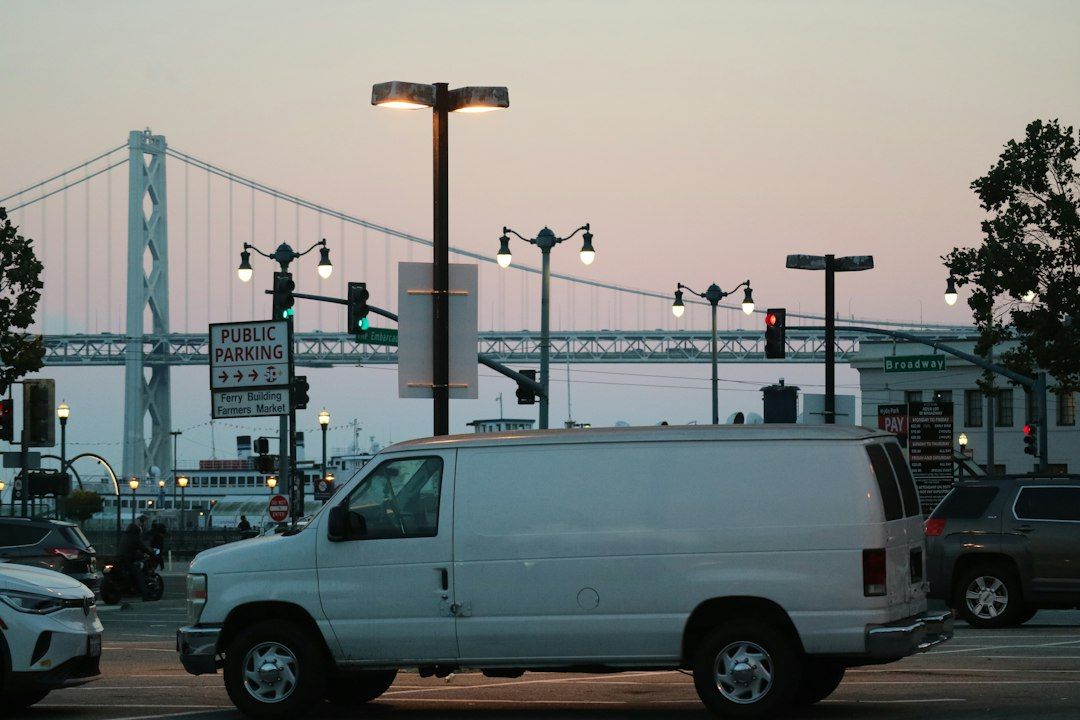
Navigating the Complexities of Company Vehicles
If your operations rely on vehicles to transport equipment to a job site, deliver goods to customers, or run daily errands, the road is an extension of your workplace. Protecting that rolling asset, however, requires much more than a standard personal policy. With the state recently doubling the required minimum auto liability limits, it has never been more important to review your commercial auto insurance in California.
At Saed Albasha Agency, we have spent over two decades helping small business owners build resilient insurance portfolios. As a family owned and operated business in Glendora, we know firsthand that no two companies operate exactly alike. A local florist delivering arrangements downtown faces an entirely different set of risks than a general contractor hauling heavy materials across Southern California.
Unfortunately, many business owners do not realize they have a gap in their protection until a claim is denied. This comprehensive guide will explore why personal policies fall short, what a robust commercial auto policy actually covers, and how you can manage your premiums in a shifting market. We believe in making insurance simple and protection certain, giving you the confidence to focus on growing your enterprise.
The Hidden Dangers of Using Personal Policies for Business
A common misconception among newer business owners is that their standard auto policy will cover them if they use their personal vehicle for work. In reality, almost all personal auto insurance policies contain a "commercial use" exclusion.
If you are commuting to your office or driving to the grocery store, your personal policy applies. But the moment you transport tools to a client's property, deliver a customer's order, or send an employee out to pick up supplies, the primary use of the vehicle changes. If an accident occurs during a work-related task, the personal insurance carrier is well within its rights to deny the claim.
Securing proper business auto insurance in California is the only way to safeguard your company from catastrophic out-of-pocket costs. Commercial policies are built differently because the risks are different. Businesses typically operate vehicles more frequently, during peak traffic hours, and often with multiple drivers who may not have the same level of care as the actual vehicle owner. Furthermore, when an accident involves a business, plaintiffs and their attorneys are much more likely to pursue high-dollar lawsuits, assuming the company has deeper pockets than an individual driver.
If your vehicles are titled under your company's name, a commercial policy is mandatory. But even if you operate as a sole proprietor using your own truck, you need commercial vehicle insurance in California if the primary function of that vehicle is generating revenue.
Core Components of a Commercial Policy
What makes up a solid policy? We do not believe in forcing clients into a standardized product. Instead, we customize the coverage for the individual business. Understanding the distinct parts of a commercial policy helps you make informed decisions about your own risk management strategy.
Bodily Injury and Property Damage Liability
Liability coverage is the foundation of any auto policy. It pays for the medical bills, rehabilitation costs, and property damage of third parties if you or your employee cause an accident.
In January 2025, California enacted a significant legislative change that increased the absolute legal minimum for basic auto liability to $30,000 for bodily injury per person, $60,000 for bodily injury per accident, and $15,000 for property damage. This replaced the old standard that had been in place since 1967. While this higher baseline provides more protection for the public, it is still wildly inadequate for a commercial entity.
A single accident involving a multi-car pileup or severe injuries can easily exceed these state minimums. For most businesses, we recommend a combined single limit of at least $1,000,000. Many commercial clients even pair their auto liability with a broader General Liability Insurance policy and a commercial umbrella policy to create a formidable financial shield against major lawsuits.
Physical Damage Coverage
While liability covers the other driver, physical damage coverage protects your own assets. This is broken down into two main categories:
- Collision Coverage: Pays to repair or replace your business vehicle if it hits another car, a pole, or a building.
- Comprehensive Coverage: Covers damages resulting from incidents other than a collision. This includes theft, vandalism, fire, falling objects, or weather-related events. If you lease your company vehicles or have an outstanding loan on them, the financing company will require you to carry physical damage coverage. Even if you own the vehicles outright, you must consider whether your business could afford to replace a specialized truck or customized van out of pocket.
Hired and Non-Owned Auto Coverage
This is arguably one of the most overlooked coverages in the commercial sector. Hired and Non-Owned Auto (HNOA) coverage protects your business when employees use vehicles that your company does not own.
If you send an office assistant to the bank in their personal sedan, or if your sales team rents cars while visiting clients in Northern California, your business can be held liable if they cause an accident while on the clock. HNOA coverage steps in to cover the liability costs that exceed the employee's personal auto limits. Remember, a general Business Owners Policy usually does not include auto liability by default, making an explicit HNOA addition absolutely critical.
Uninsured and Underinsured Motorist Coverage
Even though the state has raised minimum coverage limits, thousands of drivers still navigate California highways without any insurance at all. If one of these drivers hits your company vehicle and injures your employee, Uninsured Motorist coverage pays for the bodily injury and related expenses. This coverage is an essential safety net that prevents your business from bearing the financial brunt of someone else's negligence.
The California Auto Insurance Landscape Today
The insurance market is constantly evolving, and the reality of California business auto insurance today is shaped by a variety of economic and technological pressures. Understanding these trends helps clarify why underwriting standards have tightened and why premiums reflect a higher degree of risk.
Rising Repair and Medical Costs
We are seeing a significant transformation in how vehicles are built. A standard commercial van or delivery car used to consist of basic mechanical parts and metal panels. Today, modern trucks and vans are loaded with advanced sensors, rearview cameras, blind-spot monitoring systems, and computerized diagnostics.
As a result, a minor fender bender that might have cost a few hundred dollars to fix a decade ago can now result in a massive repair bill due to sensor recalibration and specialty labor rates.
Simultaneously, medical cost inflation in California remains among the highest in the nation. When accidents do happen, the medical treatment payouts for bodily injury claims are substantially larger. These compounding factors place immense pressure on insurance carriers, leading to adjusting rates across the board.
The Impact of Social Inflation
The commercial auto sector is also dealing with "social inflation," a term describing the trend of juries awarding increasingly large settlements in liability cases. Juries are often sympathetic to injured individuals when the at-fault party is a business. This environment emphasizes the importance of carrying high liability limits, as a lower limit leaves the assets of your business highly vulnerable to aggressive litigation.
Average Market Costs
Because businesses vary so widely, average costs can only tell part of the story. Recent market data from 2026 shows that minimum coverage for basic commercial auto policies in California averages around $200 to $260 per month, but costs scale upward rapidly depending on the vehicle type and industry. A lightweight sedan used by a real estate agent will cost significantly less to insure than a heavy-duty box truck used for long-distance freight.
Tailoring Protection by Vehicle and Industry
At Saed Albasha Agency, our approach is to look at the specific tools of your trade. The type of vehicle you operate dictates your risk profile, your radius of travel, and the specific endorsements you might need.
Managing Service Vehicles and Vans
Tradespeople like electricians, plumbers, and HVAC technicians rely heavily on commercial vans. Securing commercial van insurance in California requires looking beyond just the vehicle itself.
Vans are often filled with thousands of dollars worth of specialized tools and materials. Standard commercial auto policies cover the van, but they do not typically cover the tools inside if they are stolen or destroyed in a fire. For this, we often recommend an Inland Marine policy or a specific tools and equipment endorsement to ensure that everything inside the cargo area is protected.
Company Cars and Sales Fleets
If you operate a fleet of sedans or small SUVs for a sales team or home healthcare staff, your primary concern is frequency of exposure. The more hours your team spends on congested freeways like the 405 or the 5, the higher the statistical probability of an incident.
When configuring California fleet auto insurance, we look at the driving records of your entire employee pool. Fleet policies often come with the advantage of a single renewal date and simplified billing, making it much easier for business owners to track their coverage rather than managing multiple disparate policies.
Heavy Trucks and Delivery Vehicles
The moment your vehicle exceeds a certain gross vehicle weight, the regulatory and insurance landscapes shift dramatically. Landscapers hauling heavy trailers, moving companies, and dedicated freight operators face entirely different requirements.
Heavy commercial truck operations can cause catastrophic damage due to their sheer mass. These policies require rigorous underwriting, and carriers will look closely at the Department of Transportation (DOT) filings, the specific class codes of the materials being hauled, and whether the vehicles cross state lines.
Managing Your Commercial Auto Premiums Effectively
While macroeconomic factors and vehicle repair costs are largely out of your hands, you still have significant control over your risk profile. As your insurance partner, we pride ourselves on helping you actively manage these risks rather than simply handing you a bill. Here are several actionable steps California business owners can take to position themselves favorably with underwriters.
Implement Strict Driver Screening
Your commercial auto rate is heavily influenced by the people behind the wheel. Before hiring anyone who will drive for your company, run a thorough Motor Vehicle Report (MVR). A candidate with a history of DUIs, reckless driving, or multiple moving violations will immediately trigger higher premiums or even policy cancellations. Establish a clear, written company policy outlining acceptable driving records and require annual MVR checks for all current drivers.
Invest in Safety and Telematics
Insurance carriers appreciate businesses that take proactive safety measures. Installing telematics systems or dashboard cameras in your vehicles provides dual benefits. First, telematics track driving behaviors like hard braking, rapid acceleration, and speeding. You can use this data to identify risky drivers and provide corrective training before an accident happens.
Second, in the event of an accident, a dashboard camera provides objective evidence of what actually occurred. This can expedite the claims process and protect your business from fraudulent injury claims or disputes over who had the right of way. Many carriers now offer favorable pricing for businesses that utilize these technologies.
Maintain Impeccable Vehicle Records
Routine maintenance prevents mechanical failures that can lead to severe accidents. A blown tire or failed brakes on a loaded commercial vehicle is a worst-case scenario. Keep detailed logs of all vehicle inspections, oil changes, brake pad replacements, and tire rotations. Documenting that your vehicles are meticulously maintained demonstrates to the insurance carrier that you are a responsible operator who mitigates risk at every level.
Reassess Your Coverage Annually
Your business is not static, and your insurance should not be either. If you have retired older vehicles, hired new staff, or changed your service radius, your commercial auto policy needs to be updated. Paying for coverage you no longer need is a drain on your resources, while failing to add new vehicles leaves you dangerously exposed. We make it exceptionally easy for our clients to connect with us, ensuring their portfolios are reviewed and adjusted without having to jump through hoops.
The Right Protection for the Road Ahead
The roads in California are demanding, and the regulatory environment is stricter than ever. Operating a business vehicle is a core necessity for countless entrepreneurs, but it carries a level of financial liability that must be respected and managed.
Securing the right commercial car insurance in California goes far beyond printing an ID card and throwing it in the glovebox. It is about understanding your unique operational risks, evaluating the actual cost of modern vehicle repairs, and building a liability shield that protects the company you have worked so hard to build. Whether you run a single bakery delivery car or a growing fleet of service vans, aligning your coverage with your exact needs ensures that a simple traffic accident does not derail your business trajectory.
Secure Your Business Journey
If you want coverage that actually fits your home, car, business, or life, instead of a one-size-fits-all policy, reach out to Saed Albasha Agency today for a personalized review. We believe that securing your livelihood should be a straightforward, transparent process guided by local experts who genuinely care about your success.
Call or message our Glendora, CA team now, request a quote directly on our site, and let us make your insurance portfolio simpler, clearer, and easier to manage anywhere in California. Together, we can ensure that every time your team hits the road, your business is fully shielded from the unexpected.
By Saed Albasha & Team · Published 8/19/2026